













































































































17th September 2026 I 3-5 minute read
Sculpture in the garden: transforming outdoor spaces


Sculpture can completely change the way we experience an outdoor space. Whether you have a large garden, an intimate courtyard or a contemporary terrace, the right piece can introduce character, create a focal point and encourage you to see your surroundings differently.
Unlike planting, sculpture remains a constant presence within the landscape, while everything around it continues to change. Light moves across its surface, shadows shift throughout the day and foliage changes with the seasons, continually altering the relationship between artwork and environment.
The key is to consider not only the sculpture itself, but how it will live within its surroundings.
Creating a focal point
A sculpture can give a garden a sense of structure, drawing the eye towards a particular view, planting scheme or area of the landscape. A larger work might command attention at the end of a lawn, while a smaller piece could bring interest to a courtyard or secluded corner.
Positioning can also create a sense of discovery. Rather than placing a sculpture immediately in view, consider positioning it along a pathway or partially within planting, allowing it to reveal itself as you move through the garden.
The same principles can be applied to shared outdoor spaces, from parks and botanic gardens to hospital gardens and public courtyards. Here, sculpture can help create a sense of identity and place, while providing opportunities for people to pause, reflect and engage with their surroundings.


Working with nature
The relationship between sculpture and planting can be particularly beautiful when the artwork reflects the natural world.
Andrea Roggi’s Tree of Life sculptures, with their graceful human forms intertwined with branches and roots, offer a natural connection between art and landscape. Their organic forms can echo the shapes and rhythms of surrounding planting, while the enduring presence of bronze creates a striking contrast with softer foliage.
As the garden changes around the sculpture, so does the experience of the work. Leaves, flowers and branches can frame it differently throughout the year, allowing the artwork to feel increasingly connected to its environment.


Introducing movement and character
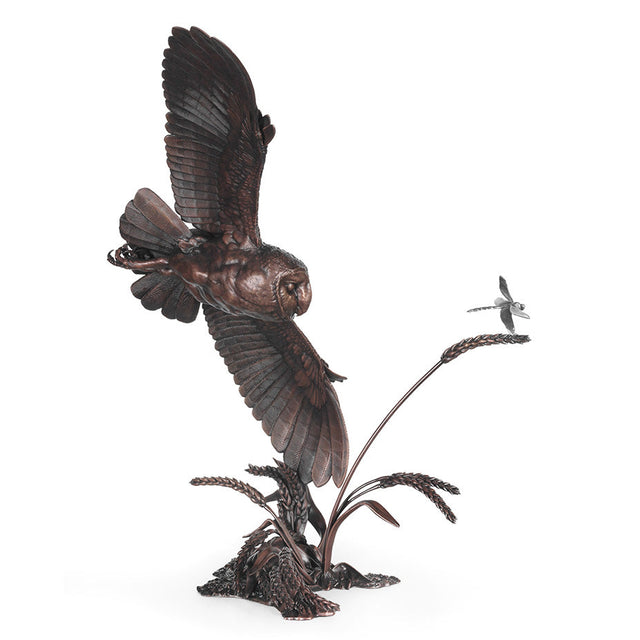
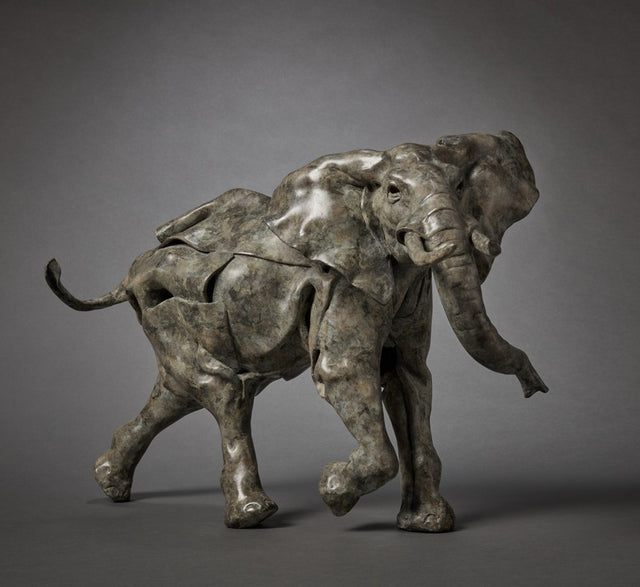
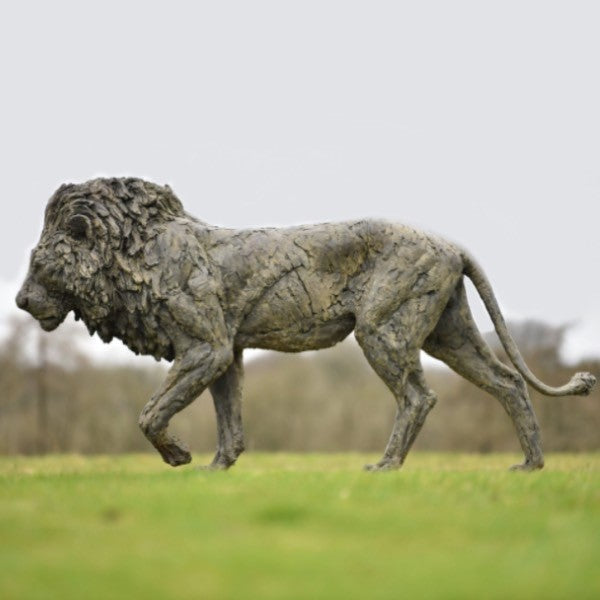
Outdoor sculpture can also bring a sense of movement and life to a garden. Hamish Mackie’s bronze wildlife sculptures are particularly suited to this approach, capturing animals through close observation of their behaviour, movement and physical form.
A wildlife sculpture positioned amongst planting can feel unexpectedly at home in its surroundings. A bird against an open sky, an animal emerging from foliage or a group of works placed along a garden path can create moments of discovery, encouraging us to slow down and look more closely.
Mackie’s bronzes demonstrate how sculpture can complement rather than compete with the natural landscape, bringing another dimension to the experience of being outdoors.


Creating a moment of calm
Sculpture does not always need to be a dramatic centrepiece. In a quieter part of a garden, it can provide a point of stillness and contemplation.
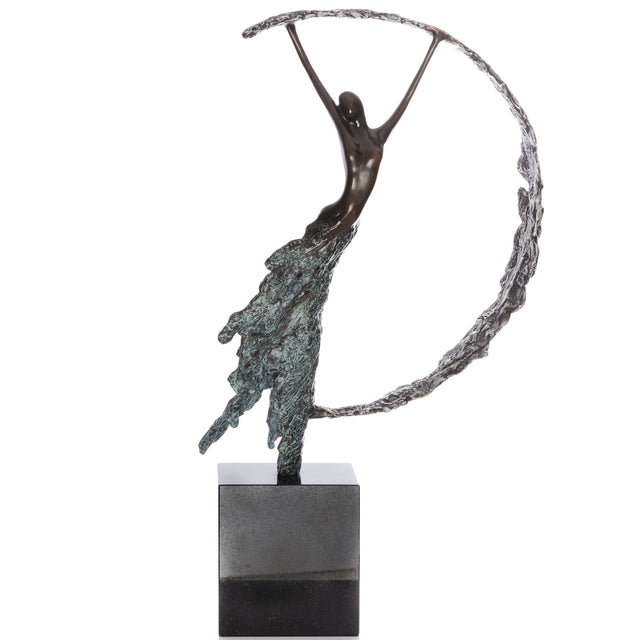
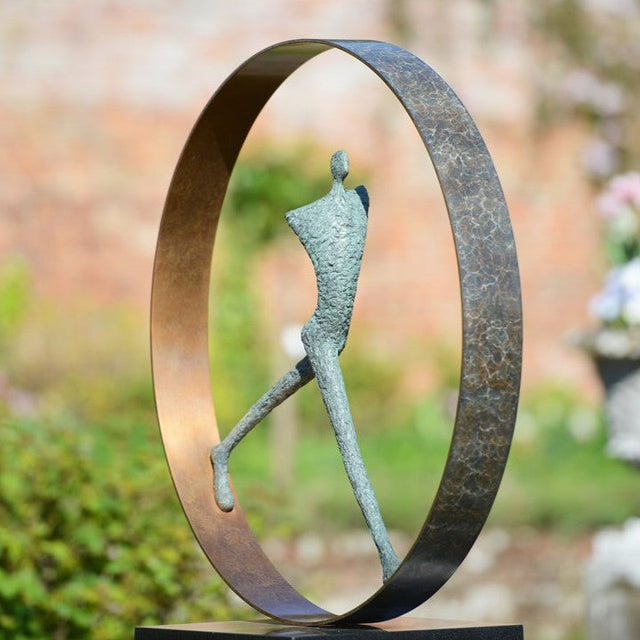
Michael Speller’s elongated bronze figures offer an elegant example. Their refined forms and emphasis on rhythm and balance can create a sense of calm within an outdoor setting, providing a visual counterpoint to the more organic shapes of surrounding planting.
In a courtyard or secluded garden corner, a sculpture can become something to encounter rather than simply something to look at – offering a moment of pause as you move through the space.


Choosing the right position
When deciding where to place a sculpture, consider how it will be experienced from different viewpoints. Look at the garden from windows, seating areas, pathways and entrances, and think about how the sculpture might frame or enhance these views.
Consider scale, too. A substantial piece can hold its own within a large landscape, while a smaller work may be better suited to a more intimate setting. Think about contrast as well as harmony: bronze can stand beautifully against lush greenery, while a more contemporary form might provide an architectural counterpoint to softer planting.
Above all, allow the sculpture enough space to be appreciated from different angles.


Living with sculpture outdoors
From expansive gardens to intimate courtyards and shared public spaces, sculpture offers an opportunity to bring art into the landscape. Carefully considered positioning allows the artwork and its surroundings to enhance one another, creating an outdoor space that feels distinctive, engaging and inviting.
Sign up with Clarendon to receive exclusive invitations to our exciting programme of exhibitions, artist appearances and celebrity events.